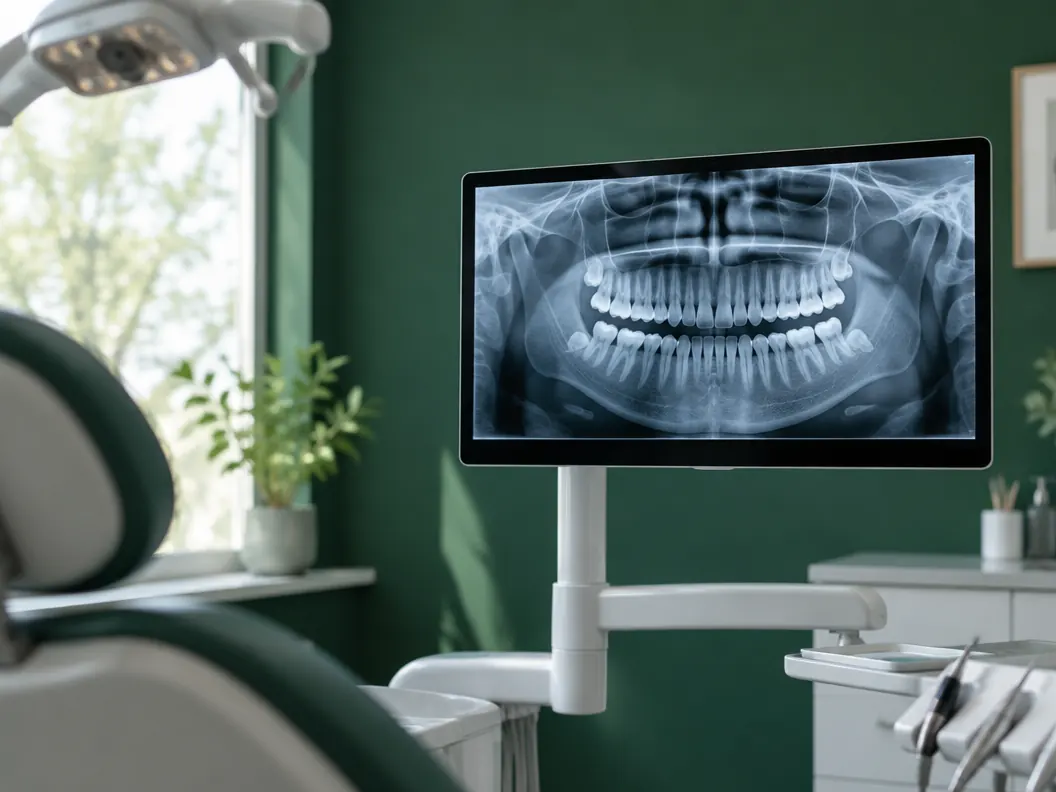
Dental X-rays and 3D scans: what to send before you travel
Which images a clinic needs for an accurate quote, and how to get them from your dentist at home.
Plan my tripKey points
- A recent panoramic X-ray lets a clinic give a much more accurate plan and quote before you fly.
- Implant cases usually need a 3D scan (CBCT), which many clinics take on your first day.
- Ask your dentist at home for the image files, not just a printout or a photo of the screen.
A clinic can only quote as well as it can see. Good images before you travel mean fewer surprises in the chair.
The images that matter
Panoramic X-ray (OPG). One wide image of the whole mouth, jaws and roots. It's the most useful single image for planning crowns, veneers and extractions.
Small X-rays of specific teeth (periapical or bitewing). These show a tooth's root or decay between teeth in more detail.
3D scan (CBCT). A cone-beam CT scan shows bone height and width in three dimensions. It's the standard way to plan implants, and many clinics take one on your first visit.
Photos. Clear phone photos of your smile and teeth from the front and sides help clinics judge colour and shape for veneers or crowns.
Getting your files
Ask your dentist at home for copies of your recent images as digital files. A photo of a screen loses detail. CBCT scans are usually exported as a set of files (DICOM), which clinics can open in their own software.
Sending them safely
Use the clinic's enquiry form or a secure link the clinic gives you. Include the date the images were taken and any dental work done since.
Frequently asked questions
How recent should my X-rays be?
Ask the clinic. Many want images from the last six to twelve months, because teeth and bone can change.
Will the clinic take new X-rays anyway?
Often, yes. They may want their own images before starting work. Your recent X-rays still help them plan and quote before you book flights.
Sources
- American Dental Association (MouthHealthy). Dental implants.
This article is general information, not medical advice. A dentist who has examined you is the right person to recommend treatment.
More in Dental care in Vietnam: Choosing a clinic
See all How to choose a dental clinic in VietnamWhat to check before you send a deposit, from licences to written quotes and warranties.
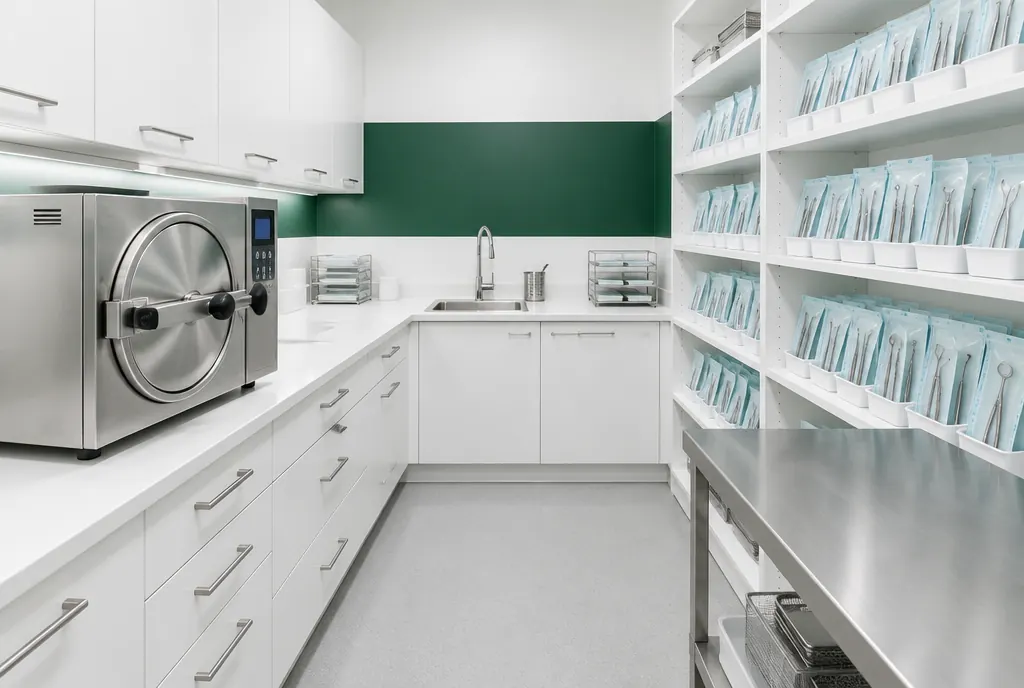 How dental clinics sterilise instruments, and what to askWhat proper sterilisation looks like, and the questions to ask before treatment starts.
 How we verify clinicsThe checks every clinic passes before it appears on VietDentalTrip, and what those checks don't tell you.