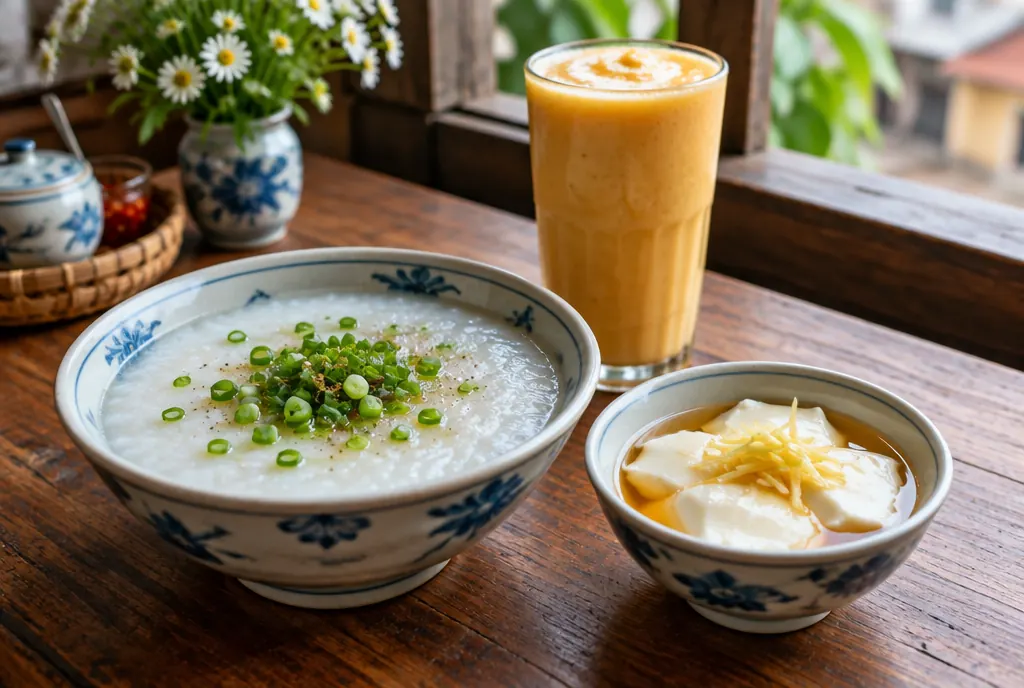
Eating well in Vietnam after dental work
Soft Vietnamese dishes that are easy after treatment, and what to avoid for the first few days.
Plan my tripKey points
- Vietnamese food has plenty of soft options, such as rice porridge, noodle soups and soft tofu.
- Let hot soups cool down, especially while your mouth is still numb.
- After extractions or implant surgery, skip straws, chilli and alcohol until your dentist says otherwise.
Recovering from dental work doesn't mean living on yoghurt. Many Vietnamese staples are soft, mild and easy to eat.
Easy dishes for the first days
- Cháo (rice porridge). Smooth and filling. Ask for it without crunchy toppings.
- Phở and bún soups. Soft noodles and broth. Let it cool, and leave the chilli out.
- Tào phớ (soft tofu pudding). Silky and sweet, often served with ginger syrup.
- Sinh tố (fruit smoothies). Drink from the glass, not through a straw, if you've had a tooth out.
- Steamed fish and soft rice. Widely available and gentle on new work.
What to avoid for a while
- Very hot food and drinks while your mouth is numb.
- Chilli, lime and strong spices on fresh wounds.
- Hard or sticky food, such as crusty bánh mì, nuts and caramel, on new crowns, veneers or temporary teeth.
- Alcohol after surgery, especially if you're taking antibiotics or painkillers.
Your clinic's aftercare instructions come first. Ask them what to eat and for how long.
Frequently asked questions
Why avoid straws after an extraction?
Sucking through a straw can disturb the blood clot that forms in the socket, which helps the wound heal. Your dentist will say how long to avoid them.
Is street food safe after dental treatment?
Choose busy stalls where food is cooked fresh and served hot, then let it cool. Avoid ice of unknown origin if you have an open wound.
This article is general information, not medical advice. A dentist who has examined you is the right person to recommend treatment.
More in Travel in Vietnam: Practical travel
See all Visas and travel to VietnamEntry rules, getting between cities, and practical tips for a treatment trip.
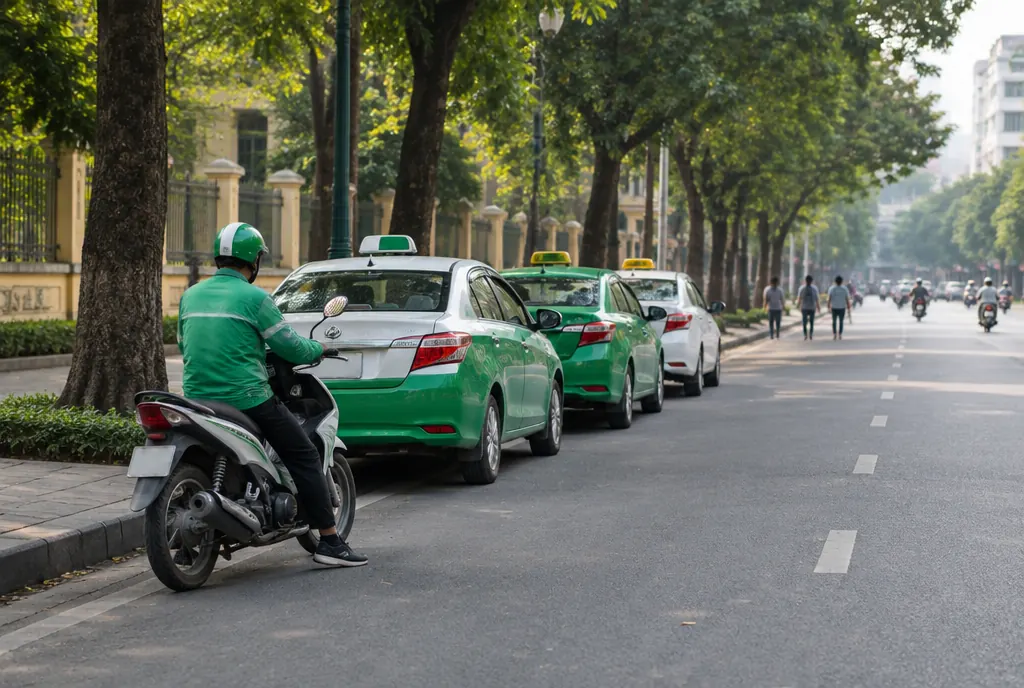 Getting around Vietnam's cities between appointmentsRide-hailing, taxis, metro lines and walking, and how to reach your clinic on time.
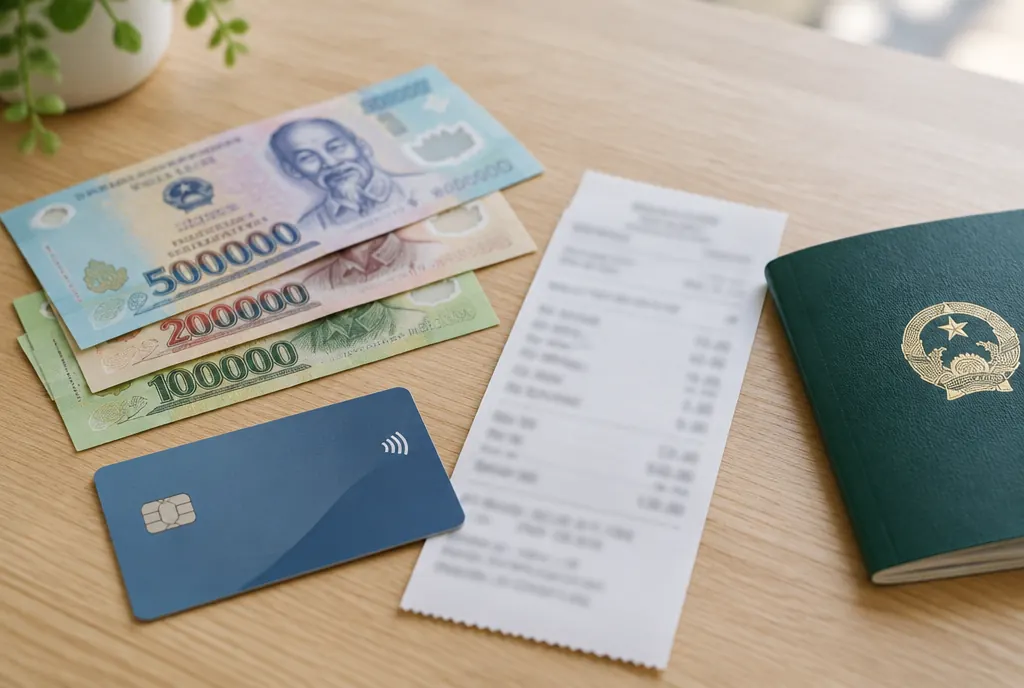 Money, payments and deposits for dental treatment in VietnamPaying a clinic in Vietnam, from currency and card fees to deposits, receipts and refunds.