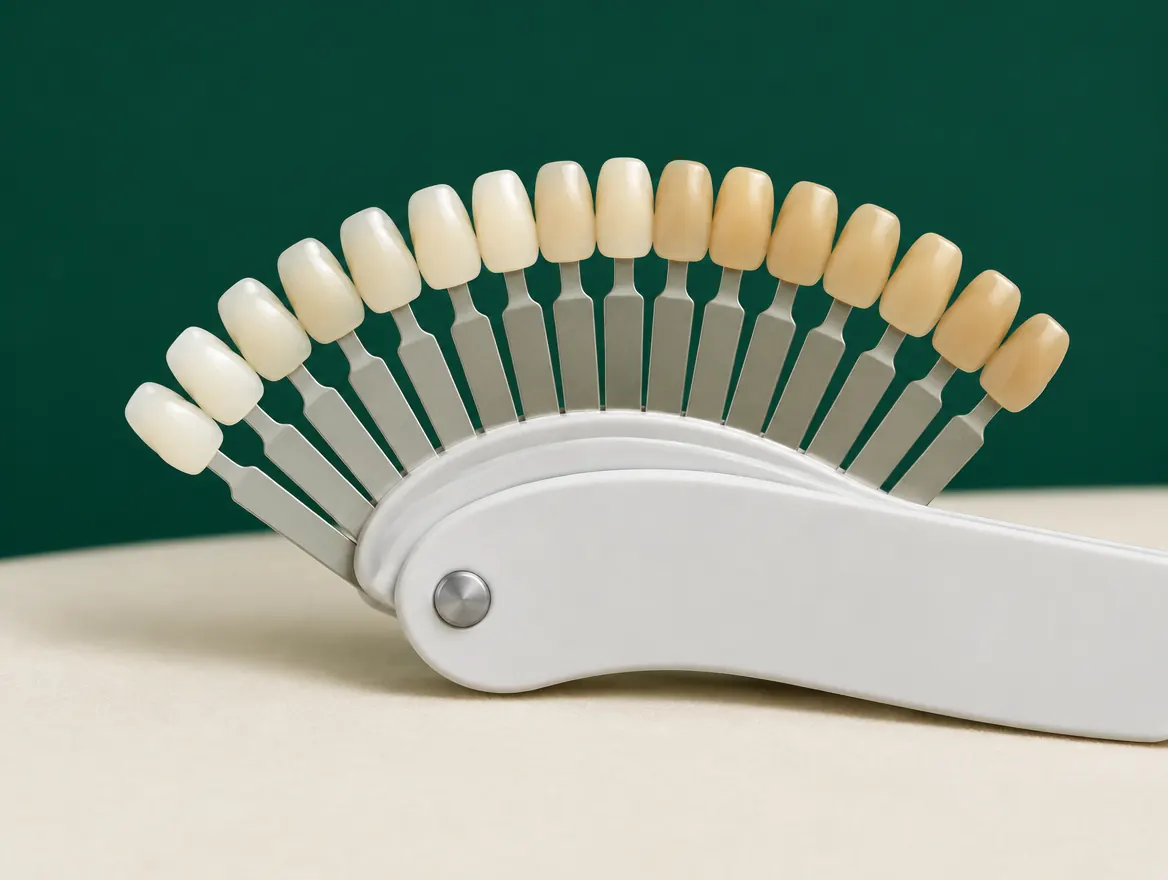
How long do veneers last? Porcelain and composite veneers compared
How long porcelain and composite veneers last according to clinical studies, what makes them fail sooner, how to care for them, and what to agree with a clinic in Vietnam before you fly home.
Plan my tripKey points
- Porcelain veneers usually last longer than composite veneers. Cleveland Clinic gives an average of 10 to 15 years with proper care.
- In one long-term study of 318 porcelain veneers, an estimated 94.4% survived 5 years, 93.5% survived 10 years and 82.93% survived 20 years.
- Composite veneers fail faster than porcelain. Studies report 5-year survival of roughly 80% to 89%.
- Grinding your teeth is the biggest risk you can control. In the same study, people who ground their teeth had 7.7 times the risk of failure.
- Veneers aren't reversible, because enamel is removed. Ask the clinic in writing what happens if one chips or comes off after you're home.
Porcelain veneers usually last 10 to 15 years with proper care, according to Cleveland Clinic, and many last longer. In a study that followed 318 porcelain veneers for up to 20 years, an estimated 94.4% survived 5 years, 93.5% survived 10 years and 82.93% survived 20 years. Composite veneers don't last as long: a review of clinical studies found they fail significantly faster than porcelain, with 5-year survival reported at roughly 80% to 89%.
How long your veneers last depends on more than the material. Grinding your teeth, the health of the teeth underneath, how the dentist prepared and bonded them, and how you look after them all make a difference. This guide covers each one, and what to agree with a clinic in Vietnam before you fly home.
Porcelain and composite veneers compared
The American Dental Association describes two main types. A porcelain veneer is a thin shell made to fit the front of the tooth. A composite veneer is made from tooth-coloured filling material bonded straight onto the tooth.
| Porcelain veneers | Composite veneers | |
|---|---|---|
| What they are | Thin shells made in a lab and bonded to the teeth | Tooth-coloured filling material shaped and bonded to the teeth |
| How long they last | 10 to 15 years on average (Cleveland Clinic); 82.93% estimated survival at 20 years in one study | Fail significantly faster than porcelain; about 80% to 89% survival at 5 years in reported studies |
| Staining and wear | Strong and natural looking (ADA) | Less resistant to staining and wear (ADA) |
| If damaged | Harder to repair, so may need replacing | Easier to repair (ADA) |
| Visits | Two visits with lab time between them (Cleveland Clinic) | May need fewer visits and less enamel removed (ADA) |
| Cost | Tend to be the more expensive option (ADA) | Usually the cheaper option |
Survival figures come from specific groups of patients treated by specific dentists. They give you a sense of the range, not a promise for your own teeth.
What shortens the life of veneers
The 20-year porcelain study, by Beier and colleagues, looked at what made veneers fail.
| Risk | What the research found | What you can do |
|---|---|---|
| Grinding or clenching (bruxism) | 7.7 times the risk of failure | Tell the dentist if you grind. Ask about a night guard. |
| Root-filled or non-vital teeth | Significantly higher failure risk | Ask whether a veneer is the right choice for that tooth |
| Smoking | More staining around the edges of the veneers | Stopping smoking helps the look of the veneers as well as your gums |
| Porcelain fracture | The most common reason for failure, in 44.83% of failures | Don't bite nails, pens or hard food with your front teeth |
A review by Alothman and Bamasoud adds two points about the dentist's work. Bonding to enamel is much stronger than bonding to the layer underneath (dentin), so keeping the preparation within enamel is considered critical. Porcelain veneers also failed more often when bonded to existing composite fillings.
The ADA says veneers may not be a good choice if you clench or grind your teeth or have a deep overbite. Decay and gum disease need treating before veneers go on.
How to make veneers last
The ADA and Cleveland Clinic give similar advice:
- Brush twice a day with fluoride toothpaste, using a soft brush and a non-abrasive paste.
- Clean between your teeth every day. You can still get decay under or around a veneer.
- Don't bite your nails or chew hard objects, and avoid biting hard food with your front teeth.
- Wear a mouthguard for contact sports.
- Limit coffee, tea and red wine if you want to keep the colour even.
- Skip whitening products. They don't whiten veneers and can leave your natural teeth a different shade.
- Keep up regular check-ups at home.
If you grind your teeth at night, ask the clinic about a night guard before you leave. Grinding was the single biggest risk factor in the long-term study.
When veneers need replacing
The ADA says veneers may chip, crack, wear down or loosen over time, and may need re-bonding, repair or replacement. Signs to get checked:
- a chip or crack
- a veneer that feels loose or has come off
- a dark line or staining at the edge
- sensitivity or pain in the tooth underneath
- gums that have shrunk back so the edge shows
Because enamel is removed, the ADA notes that veneer treatment isn't reversible. If a veneer comes off, the tooth underneath still needs covering, so you can't simply go without.
Composite veneers can often be repaired by adding new material. A damaged porcelain veneer is harder to repair and may need replacing, which means another visit to take measurements and another wait for the lab.
Veneers from a clinic abroad: what to agree before you fly home
If you have veneers fitted in Vietnam, any repair or replacement may happen thousands of kilometres from the clinic. Agree the details in writing before treatment starts.
| Ask the clinic | Why it matters |
|---|---|
| Which material and brand are you using? | Your dentist at home needs to know what they're repairing |
| How much enamel will you remove? | Less removal keeps more of your own tooth |
| Can I see and approve a mock-up first? | You see the shape before any tooth is prepared |
| What does the warranty cover, and for how long? | Chips, debonding and fractures are the common problems |
| Does the warranty need me to return to the clinic? | A return trip may cost more than the repair |
| Will you give me photos, shade details and records? | A local dentist can match a replacement |
| Do you recommend a night guard? | Grinding is the biggest risk you can control |
Our guide to choosing a clinic covers the checks to make before you book, and aftercare at home explains what records to bring back.
Planning veneers in Vietnam
Porcelain veneers in Vietnam usually take one trip of 7 to 10 days: a consultation, preparing the teeth, lab time, fitting and a final check. Planning your visits shows a day-by-day example, and the trip planner builds a sample trip around your treatment.
If you want whiter teeth as well, whiten first. The ADA says whitening doesn't work on veneers, crowns or fillings, so the veneer shade is matched to your teeth as they are when the veneers are made. Read more about porcelain veneers and teeth whitening.
Frequently asked questions
How long do porcelain veneers last?
Cleveland Clinic puts the average at 10 to 15 years with proper care. In a study that followed 318 porcelain veneers for up to 20 years, an estimated 93.5% were still in place at 10 years and 82.93% at 20 years. Results vary between people.
How long do composite veneers last?
Not as long as porcelain. A review of clinical studies found composite veneers fail significantly faster, with reported survival of roughly 80% to 89% at 5 years. Composite also stains and wears more easily, but it's easier to repair.
What makes veneers fail?
In the long-term porcelain study, the most common reason was the porcelain fracturing. Grinding or clenching raised the risk of failure 7.7 times, and veneers on root-filled or dead teeth failed more often. Smokers had more staining around the edges.
Can veneers be whitened?
No. The American Dental Association says whitening doesn't work on veneers, crowns or fillings. If you want whiter teeth, whiten before the veneers are made, so the shade can be matched.
Are veneers permanent?
The treatment is permanent in the sense that it can't be undone, because a small amount of enamel is removed from each tooth. The veneers themselves can chip, crack, wear or loosen over time and may need repair or replacement.
Can you get cavities under veneers?
Yes. The ADA notes you can still get decay under or around a veneer, so brush twice a day with fluoride toothpaste and clean between your teeth every day.
What happens when a veneer needs replacing?
The old veneer is removed and a new one is made and bonded, usually over two visits with lab time in between. Ask your clinic how replacements are handled and whether a dentist near home can do the work.
Do veneers last as long if I get them abroad?
The studies don't compare countries. What matters is the dentist's planning and bonding, the material, and your habits afterwards. Choose the clinic carefully and get the details of your veneers in writing.
Sources
- American Dental Association (MouthHealthy). Veneers.
- Cleveland Clinic. Dental veneers.
- PubMed. Clinical performance of porcelain laminate veneers for up to 20 years (Beier et al., International Journal of Prosthodontics, 2012).
- Open Access Macedonian Journal of Medical Sciences (PMC). The success of dental veneers according to preparation design and material type (Alothman and Bamasoud, 2018).
- American Dental Association (MouthHealthy). Teeth whitening.
This article is general information, not medical advice. A dentist who has examined you is the right person to recommend treatment.
More in Dental care in Vietnam: Cosmetic dentistry
See all Smile makeover: what it involves, and planning one in VietnamWhat a smile makeover can combine, how photos and mock-ups help you approve the result before any tooth is touched, the order treatments usually go in, and how to avoid having more done than you need.
 Gum contouring: what it is, laser or scalpel, and healingWhat gum contouring is, how it differs from crown lengthening, laser and scalpel techniques, how long healing takes, what to eat afterwards, and how long to wait before veneers or crowns.