
Is dental tourism safe? The risks, and how to reduce them
The risks of dental tourism, from infection to failed work and limited follow-up, and the checks that make dental treatment in Vietnam safer.
Plan my tripKey points
- Dental treatment abroad can be as safe as at home when the clinic is licensed, the dentist is qualified and the treatment isn't rushed.
- The main risks are infection, work that fails after you fly home, and complications from flying too soon after surgery.
- Check the clinic's licence, ask who will treat you, see how instruments are sterilised, and get the plan and warranty in writing.
- Talk to your doctor first if you have a medical condition, and arrange travel insurance before you go.
Dental tourism can be safe. Many people travel for treatment every year and come home happy with the result. The risks are real, though, and most of them come down to two things: choosing the wrong clinic, and rushing the treatment to fit the trip.
The main risks
The US Centers for Disease Control and Prevention and the NHS both list similar concerns for treatment abroad:
- Infection, if instruments aren't properly sterilised or aftercare isn't followed.
- Work that fails later, such as a crown that comes loose or an implant that doesn't heal into the bone.
- Communication problems, so you agree to treatment you didn't fully understand.
- Flying too soon after surgery, which can cause pain or problems with healing.
- Limited follow-up, because the clinic that did the work is in another country.
How to reduce them
Check the clinic and the dentist
In Vietnam, a dental clinic needs an operating licence and each dentist needs a practising certificate. Ask for both. Every verified clinic on VietDentalTrip has shown us its licence, its lead dentist's certificate and its address. How we verify clinics explains each check.
Ask about sterilisation
Reusable instruments should be cleaned, sealed in pouches and sterilised in an autoclave between patients. A good clinic will show you how it does this. Our article on how clinics sterilise instruments lists the questions to ask.
Get the plan in writing
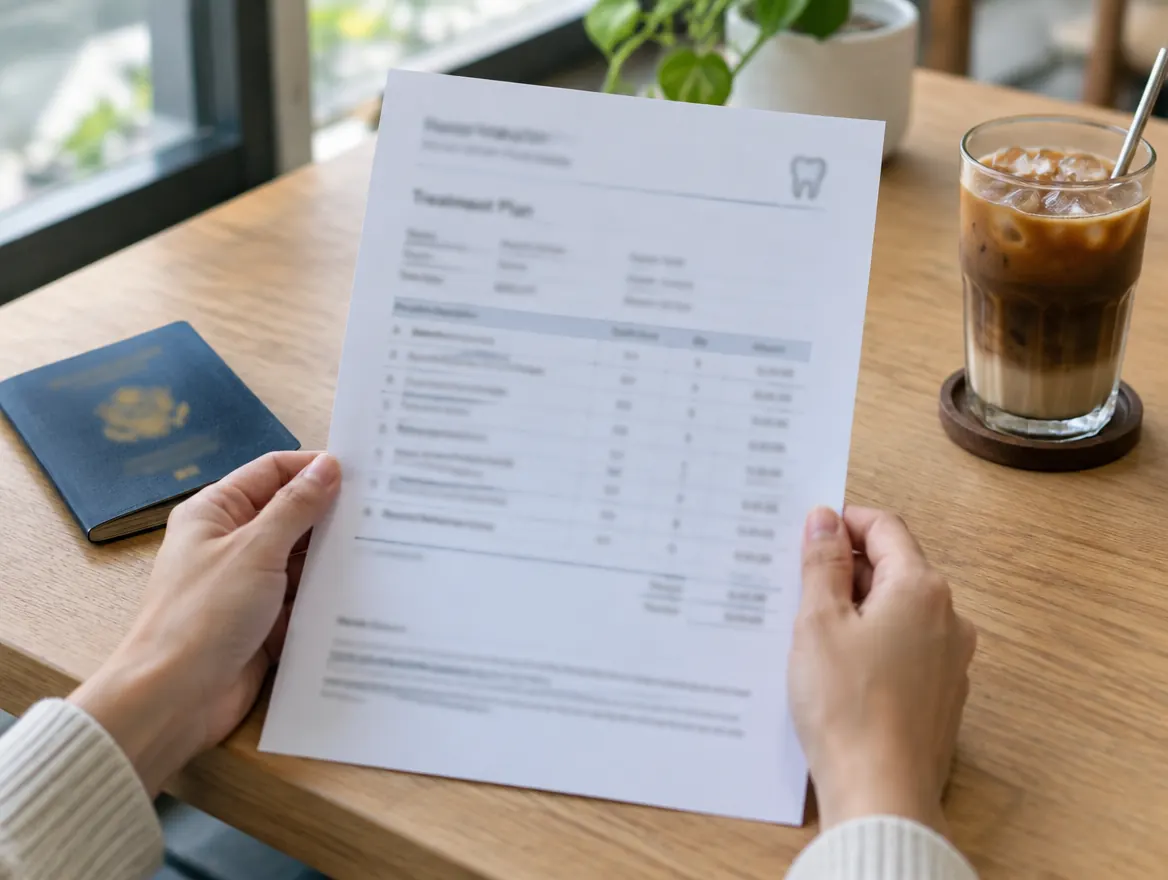
Before you book flights, ask for a written plan that lists each tooth, the treatment, the materials, the number of visits and the price. If the plan changes once you're in the chair, ask for the change in writing too.
Don't rush
Allow the time your dentist recommends, including healing time between implant stages and a day or two after your last appointment. Read flying after dental treatment before you book the trip home.
Plan for follow-up
Ask the clinic what its warranty covers after you leave, and take copies of your X-rays, treatment notes and any implant details home. Your dentist at home will need them.
Look after your own health
If you have a medical condition, take regular medication or are pregnant, talk to your doctor before you plan treatment abroad. Arrange travel insurance, and check your government's travel advice for Vietnam before you go.
Safety checklist
- The clinic's licence and the dentist's certificate are checked
- You know the name of the dentist for each step
- You've seen how instruments are sterilised
- The plan, quote and warranty are in writing
- The trip allows for healing time and a final check
- You have copies of your records and the clinic's contact details
Our guide to choosing a clinic covers each of these checks in more detail.
Frequently asked questions
Is it safe to get dental implants in Vietnam?
It can be, with a licensed clinic and an experienced implant surgeon. Ask who will place the implant, which implant brand they use, and for the implant details to take home. Allow the healing time your surgeon recommends instead of fitting the final teeth too soon.
Is Vietnam safe to travel to for dental treatment?
Check your government's travel advice before you book. For health, the CDC and other national agencies publish advice on vaccines and illness for travellers to Vietnam.
What happens if something goes wrong after I get home?
Contact the clinic first. A good clinic will have given you a written warranty that says what it covers and how to claim. For pain, swelling or signs of infection, see a dentist or doctor at home straight away.
Sources
- US Centers for Disease Control and Prevention. Medical tourism.
- NHS. Going abroad for treatment.
- UK Foreign, Commonwealth & Development Office. Vietnam travel advice.
This article is general information, not medical advice. A dentist who has examined you is the right person to recommend treatment.
More in Dental care in Vietnam: Dental tourism basics
See all What is dental tourism, and how does it work in Vietnam?Dental tourism explained, why people travel abroad for dental work, how a dental trip to Vietnam works step by step, and how to plan one yourself.
 Is dental tourism worth it? When it makes sense, and when to stay homeThe pros and cons of dental work abroad, when dental tourism is worth it, why some dentists say to avoid it, and whether implants abroad pay off.
 What is the best country for dental tourism?How to compare the best countries for dental tourism and implants, why the cheapest isn't always best, and where Vietnam fits.
 Dental tourism packages: what's included, and what to expectWhat dental holiday packages to Vietnam usually include, from treatment to hotels and transfers, what they leave out, and what to ask before you pay.