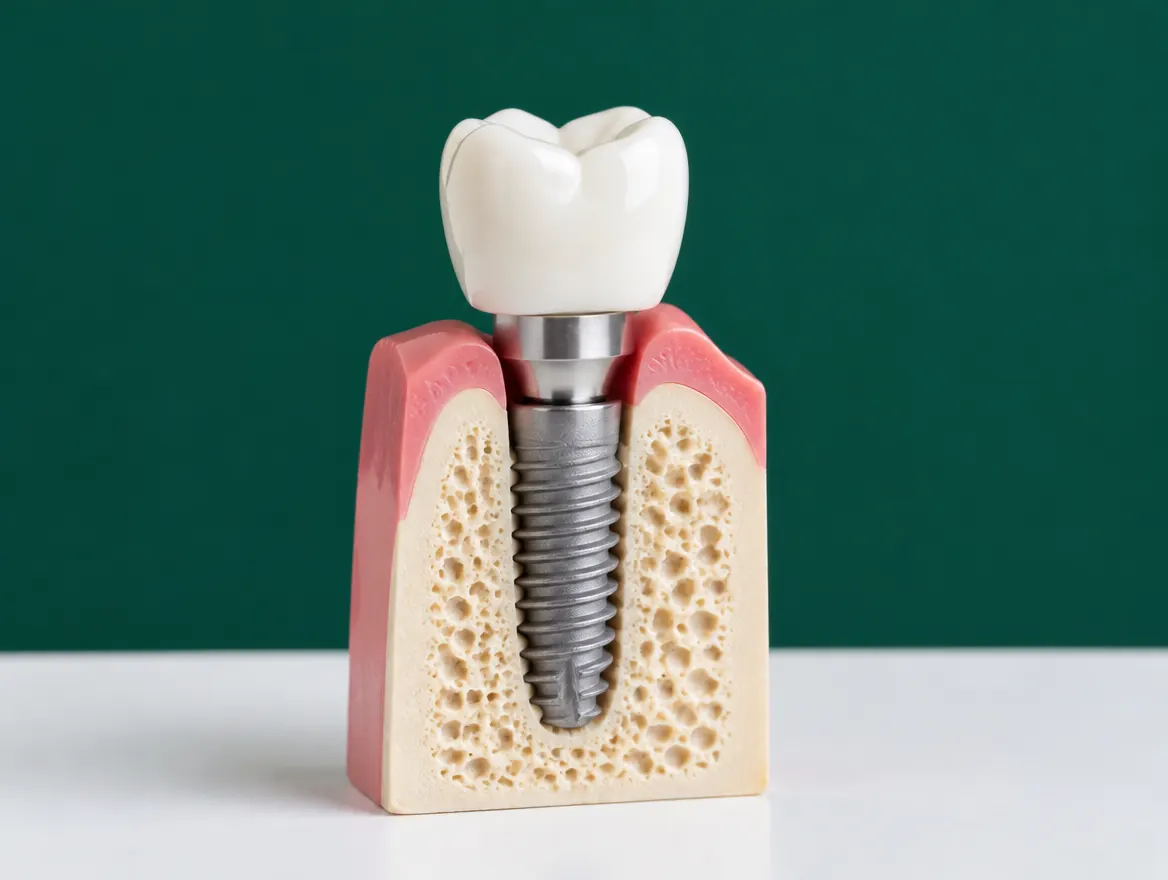
Dental implants in Thailand or Vietnam: how to compare them
How to compare Thailand and Vietnam for dental implants and dental tourism, on the things that decide how treatment goes, with official entry and health advice for both.
Plan my tripKey points
- Thailand and Vietnam both have clinics that treat international patients. The clinic and the surgeon matter more than the country.
- Implants usually need two trips a few months apart, so compare how easily you can get to each country twice, and how long you can stay.
- UK travel advice gives different entry rules: up to 30 days visa-free for tourism in Thailand, and up to 45 days visa-free or a 90-day e-visa in Vietnam, for British citizens.
- Medicine rules differ. Vietnam limits prescribed addictive and psychotropic medicines to 7 days' supply, according to UK travel advice.
- Whichever you choose, get a written plan, check the clinic and agree follow-up care before you book flights.
Dental implants in Thailand or Vietnam can both work well, and the right choice depends on the clinic more than the country. Both countries have clinics that treat international patients, and standards vary from clinic to clinic in each. What separates the two for an implant patient is practical: how easily you can make two trips, how long the entry rules let you stay, what the official advice says about healthcare and medicines, and who looks after the implant once you are home.
This guide compares Thailand and Vietnam on those points, using UK government travel advice for both, and lists the checks that matter in either country. It doesn't compare prices, because there is no reliable source for country averages and prices depend on the clinic and the treatment.
The short answer
- Choose the clinic first. Compare written plans from two or three clinics, in one country or both.
- Plan for two trips. Implants usually need a first trip to place the implant and a second, 3 to 6 months later, for the crown.
- Check entry rules for your passport. UK advice gives British citizens up to 30 days visa-free for tourism in Thailand, and up to 45 days visa-free or a 90-day e-visa in Vietnam.
- Check your medicines. Vietnam has a 7-day limit on some prescribed medicines.
- Agree follow-up care. Implants were among the treatments UK dentists most often had to follow up after treatment abroad.
Thailand and Vietnam compared
| Thailand | Vietnam | |
|---|---|---|
| Entry for British citizens (UK advice) | Up to 30 days visa-free, for tourism only | Up to 45 days visa-free, or a 90-day e-visa with multiple entries |
| Before arrival | Digital arrival card, online, within 3 days before arrival | Apply for the e-visa if you need it; use the entry point you chose |
| Passport validity | At least 6 months from arrival, 1 blank page | At least 6 months from arrival, 2 blank pages |
| Ambulance | 191 or 1669 | 115 |
| UK advice on healthcare | Private hospitals of a high standard but can be expensive; public facilities don't always meet UK standards, especially outside Bangkok | Check your destination can provide the healthcare you may need; the FCDO lists providers where some staff speak English |
| Payment | Hospitals require a guarantee of payment before treating patients | Check your insurance covers full medical costs |
| Medicines | Rules on some medicines can differ from the UK's; avoid street-sold medicines | Illegal to have more than 7 days of prescribed addictive or psychotropic medicine; many medicines are fake |
| Where clinics are | Check each clinic's location | Ho Chi Minh City, Hanoi, Da Nang and Nha Trang |
Entry rules depend on your nationality and change from time to time. Check the official advice for your own passport before you book.
Two trips change the comparison
An implant is usually placed in one trip and given its crown in another, several months later, once it has healed into the bone. Dental implants explains each stage. That means the questions are:
- Can I reach this country twice without too much cost or time off?
- Does the entry rule cover the length of each trip? Thailand's 30-day visa exemption covers a typical implant trip for British citizens. Vietnam's 45 days visa-free, or a 90-day multiple-entry e-visa, also does.
- If I need a bone graft or several implants, will the first trip be longer?
- Will the same surgeon see me on the second trip?
Planning your visits shows how long each trip usually takes.
Checks that matter in either country
The clinic decides most of the outcome. The Oral Health Foundation suggests asking every clinic:
- Who will carry out my treatment, and what are their qualifications?
- Are they registered with a professional regulator?
- Is the treatment guaranteed, and for how long?
- Is follow-up care included in the price?
- Who pays for extra travel, accommodation or corrective work if something goes wrong?
For implants, also ask:
- Which implant system do you use, and can I have its details for my records?
- Will you take a 3D scan before planning the implant?
- How many trips will I need, and how long is each one?
- What happens if the implant doesn't heal, and who pays for the repeat treatment?
In Vietnam, a verified clinic on VietDentalTrip has shown us its operating licence, its lead dentist's practising certificate and its address. How we verify clinics explains each check, and choosing a clinic covers what to look for anywhere.
Follow-up care after you fly home
In a 2022 British Dental Association survey of 1,000 UK dentists, implants were the treatment second most likely to need follow-up work after treatment abroad, at 85 percent, just behind crowns at 87 percent. The Oral Health Foundation notes that being far from home makes problems harder to deal with.
Whichever country you choose:
- Take home your X-rays, scans, treatment notes and the implant details.
- Ask what the warranty covers, for how long, and how to claim from home.
- Ask who to contact if something goes wrong between trips.
- Tell your dentist at home about the treatment before you go.
Is dental tourism safe? covers the wider risks and how to reduce them.
Health, insurance and medicines
UK travel advice for both countries recommends travel insurance that covers local medical treatment and medical evacuation. For Thailand it notes that hospitals require a guarantee of payment before treating patients. For Vietnam it says the British Embassy doesn't pay medical bills.
If you take regular medicines, check the rules before you travel. UK advice says it's illegal to have more than 7 days of prescribed addictive or psychotropic medicine in Vietnam, and recommends carrying your prescription and a doctor's letter. For Thailand, it says the legal status of some medicines can differ from the UK and warns that street-sold medicines may be fake.
How to decide
- Ask your dentist at home what treatment you need, and get copies of your X-rays.
- Send the same X-rays to two or three clinics, in Thailand, Vietnam or both, and ask for itemised written plans.
- Compare the plans, the surgeon's experience, the number of trips and the follow-up offer.
- Check entry rules, flights and insurance for both trips.
- Choose the clinic, then book flights around its treatment dates.
What is the best country for dental tourism? covers the same decision across more destinations. If Vietnam is on your list, plan your trip to get written quotes from up to three verified clinics.
Frequently asked questions
Is Thailand or Vietnam better for dental implants?
Neither is better in every case. Both have clinics that treat international patients, and standards vary between clinics in each country. Choose the clinic and the surgeon first, then check that the trips, entry rules and follow-up plan work for you.
Are dental implants cheaper in Vietnam or Thailand?
Prices vary by clinic, implant system and the work your mouth needs, so there is no reliable country average. Compare itemised written plans for the same treatment, then add flights, accommodation and the second trip.
How long do I need to stay for dental implants?
Most implant treatment is two trips. The first, to place the implant, is often about a week to 10 days, and the second, for the crown, usually comes 3 to 6 months later. Bone grafts or several implants can add time.
How long can I stay in Thailand without a visa?
UK travel advice says British citizens entering under the visa exemption scheme can stay up to 30 days for tourism only, and must complete a digital arrival card before arrival. Rules depend on your passport, so check them for your nationality.
How long can I stay in Vietnam without a visa?
UK travel advice says British citizens can visit Vietnam without a visa for up to 45 days, or apply for an e-visa that allows 90 days and multiple entries. Rules depend on your passport.
What is the emergency number in Thailand and Vietnam?
UK travel advice gives 191 or 1669 for an ambulance in Thailand, and 115 for an ambulance in Vietnam.
Can I take my medicines to Thailand or Vietnam?
Check first. UK travel advice says it's illegal to have more than 7 days of prescribed addictive or psychotropic medicine in Vietnam, and that medicine rules in Thailand can differ from the UK's. Carry your prescription and a doctor's letter.
Sources
- UK Foreign, Commonwealth & Development Office. Thailand travel advice, entry requirements.
- UK Foreign, Commonwealth & Development Office. Thailand travel advice, health.
- UK Foreign, Commonwealth & Development Office. Vietnam travel advice, entry requirements.
- UK Foreign, Commonwealth & Development Office. Vietnam travel advice, health.
- Oral Health Foundation. Going abroad for dental treatment.
- The Hippocratic Post. UK dentists fixing dental tourism (report of the British Dental Association survey, 2022).
This article is general information, not medical advice. A dentist who has examined you is the right person to recommend treatment.
More in Dental care in Vietnam: Dental tourism basics
See all What is dental tourism, and how does it work in Vietnam?Dental tourism explained, why people travel abroad for dental work, how a dental trip to Vietnam works step by step, and how to plan one yourself.
 Is dental tourism worth it? When it makes sense, and when to stay homeThe pros and cons of dental work abroad, when dental tourism is worth it, why some dentists say to avoid it, and whether implants abroad pay off.
 Is dental tourism safe? The risks, and how to reduce themThe risks of dental tourism, from infection to failed work and limited follow-up, and the checks that make dental treatment in Vietnam safer.
 What is the best country for dental tourism and dental implants?How to compare the best countries for dental tourism and implants, why the cheapest isn't always best, and where Vietnam fits.