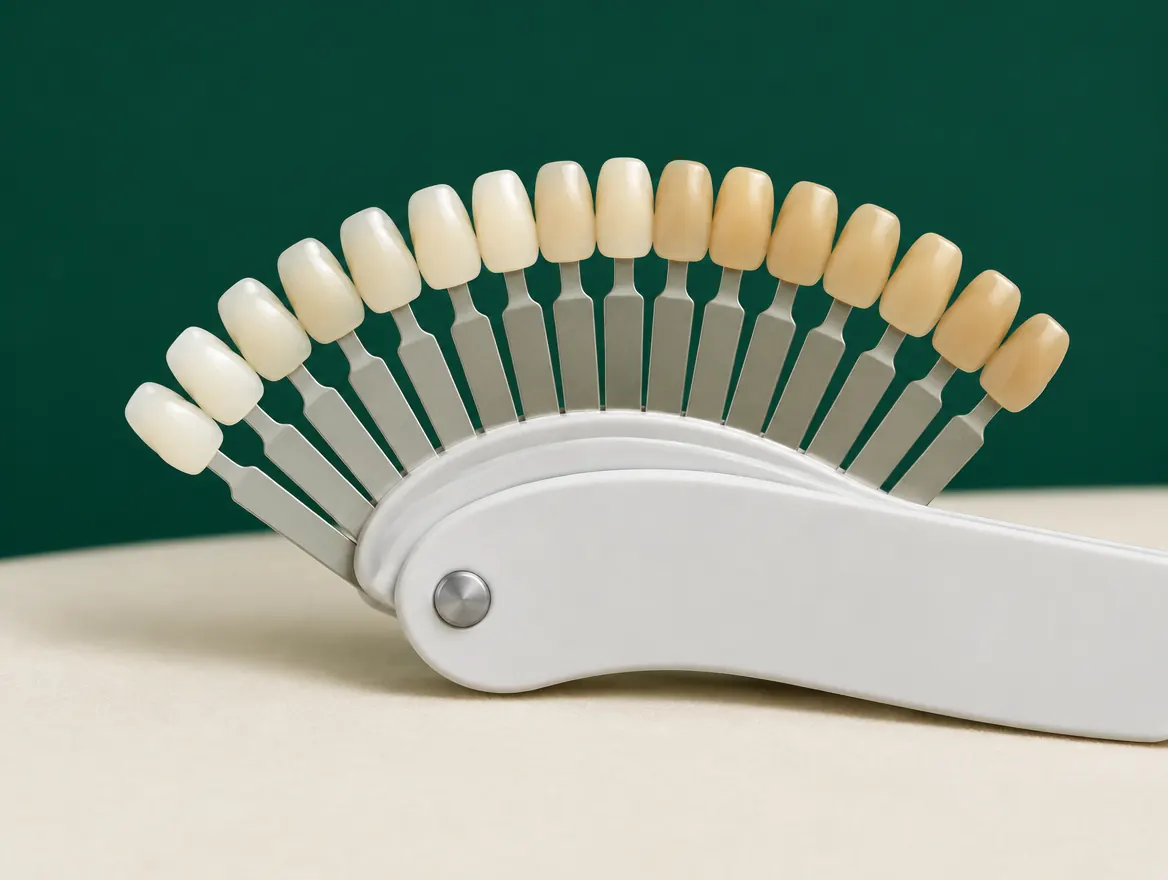
Turkey teeth gone wrong: what happened, and how to avoid it anywhere
Why "Turkey teeth" can go wrong, the difference between crowns and veneers, what UK dentists report seeing, and the questions that protect you at any clinic abroad.
Plan my tripKey points
- "Turkey teeth" is a popular name for a bright, even smile made with crowns or veneers abroad. The term comes from social media, and the problems behind it can happen in any country.
- Many people who ask for veneers end up with crowns. A crown covers the whole tooth, so more of the natural tooth is usually removed than for a veneer.
- In a 2022 British Dental Association survey of 1,000 UK dentists, crowns were the treatment most often needing follow-up work after treatment abroad, and dentists raised concerns about over-prepared teeth.
- Removing enamel can't be undone. Ask in writing whether you are getting veneers or crowns, how much tooth will be removed, and why.
- Get a second opinion, a written plan and a clear answer on follow-up care before you book flights.
"Turkey teeth gone wrong" describes a smile makeover abroad that leaves the patient with damaged teeth, pain or work that has to be redone. The usual cause is over-treatment: healthy teeth filed down for crowns when the patient expected thin veneers, done quickly, with no plan for follow-up care at home. Turkey gave the trend its name, but the same thing can happen in any country, including Vietnam and at home. The protection is the same everywhere: know whether you are getting crowns or veneers, how much tooth will be removed, and who looks after the work once you fly home.
This guide explains what Turkey teeth are, what UK dentists report seeing, and the questions to ask any clinic before you agree to treatment.
What "Turkey teeth" means
"Turkey teeth" is a social media name for a very white, very even set of front teeth made with crowns or veneers during a trip abroad. News reports in 2022 linked its spread in the UK to reality television and social media. The name points at one country, but it describes a type of treatment, and that treatment is offered everywhere.
The problem stories share a pattern. A patient asks for veneers, the clinic fits crowns on most of the front teeth, and months later the patient has sensitivity, pain or failing work. One patient interviewed in 2022 said she believed she was getting veneers and later found out she had crowns, and that nobody had told her the teeth could die or become infected.
Crowns and veneers are different treatments
| Veneer | Crown | |
|---|---|---|
| What it covers | The front and sides of the tooth | The whole tooth, like a cap |
| Tooth removed | A small amount of enamel from the front and sides (American Dental Association) | Enamel removed so the cap fits over the whole tooth |
| Usual reasons | Changing the colour, shape or size of front teeth | Restoring a broken, weak, worn or heavily filled tooth, covering a root-treated tooth or an implant |
| Reversible? | No, because enamel is removed | No |
| Learn more | Porcelain veneers | Crowns |
The American Dental Association says veneer treatment isn't reversible, because enamel is removed to place a veneer. Composite veneers may need less enamel removed than porcelain ones. Crowns can also be used to cover discoloured or misshapen teeth, so a clinic may suggest them for cosmetic reasons. That is a clinical judgement, and it's one worth questioning when the teeth underneath are healthy.
Every crown and every veneer removes tooth that will never grow back. Once a tooth has been prepared, it will always need a covering, and coverings need replacing over time. The Cleveland Clinic gives the average life of a crown as 5 to 15 years.
What UK dentists report seeing
The British Dental Association surveyed 1,000 UK dentists in February 2022 about patients who had been treated abroad:
- 94.6 percent had seen patients who had travelled abroad for dental treatment.
- Of those, 86.2 percent said some of these patients had complications.
- Crowns were the treatment most likely to need follow-up work (87 percent), followed closely by implants (85 percent).
- Dentists raised concerns about over-prepared teeth, where more of a tooth is removed than necessary.
- Two-thirds said repairs cost patients at least 500 pounds, just over half said more than 1,000 pounds, and one in five said more than 5,000 pounds.
The survey didn't single out Turkey. The Oral Health Foundation makes the same general point: problems can happen with any dental treatment, but being far from home makes them harder to deal with, and fixing them later can cost more than the original treatment.
Why it goes wrong
The reports point to a few causes that can happen at any clinic, in any country:
- Crowns instead of veneers. More tooth is removed, often on healthy teeth.
- Over-preparation. Teeth are reduced more than the treatment needs.
- Rushed treatment. A whole smile is prepared and fitted in a few days to suit a short trip.
- Unclear consent. The patient doesn't understand what is being done to each tooth. The British Dental Association warns patients to give informed consent and be wary of hard-sell tactics.
- No follow-up plan. A hygienist quoted by the Oral Health Foundation said patients treated abroad aren't always told about follow-up care.
None of this is unique to one destination. The same questions protect you in Istanbul, Ho Chi Minh City or your home town.
Questions to ask any clinic before cosmetic work
The Oral Health Foundation suggests asking these, and they apply to every clinic you compare:
- Who will carry out my treatment, and what are their qualifications?
- Are they registered with a professional regulator?
- Is the treatment guaranteed, and for how long?
- Is follow-up care included in the price?
- Who pays for extra travel, accommodation or corrective work if something goes wrong?
- Who do I contact if I need advice after treatment?
Add these for crowns and veneers:
- Is each tooth getting a veneer or a crown? Please write it down tooth by tooth.
- Why does this tooth need a crown rather than a veneer, or no treatment at all?
- How much of each tooth will be removed?
- Would straightening or whitening first mean less tooth needs to be removed?
- What material are you using, and can I have the details for my records?
- How long will the work last, and what will replacing it involve?
How to protect yourself, in Vietnam or anywhere
- See your own dentist first. Ask what treatment your teeth actually need, and take copies of your X-rays.
- Get the plan in writing before you fly. It should list every tooth, the treatment, the material, the number of visits and the price. Our guide to choosing a clinic explains what a good plan includes.
- Get a second opinion on crowns for healthy teeth. Send the plan to another clinic or to your dentist at home.
- Allow time. Veneers usually take a trip of 7 to 10 days. A plan that prepares and finishes a full smile in a couple of days leaves little room for checks.
- Check the clinic. Every verified clinic on VietDentalTrip has shown us its licence, its lead dentist's certificate and its address. How we verify clinics explains each check.
- Agree follow-up care. Ask what happens if a crown or veneer fails after you fly home, and get the warranty in writing. Is dental tourism safe? covers the wider risks.
If a clinic won't put the plan in writing, pushes you to decide quickly, or can't say who will treat you, choose a different clinic.
Checklist before you agree to crowns or veneers
- I know whether each tooth gets a veneer or a crown
- I know how much tooth will be removed, and why
- I've had a second opinion on any crowns for healthy teeth
- The plan, price, materials and warranty are in writing
- I know who will treat me and that they are registered
- I know who to contact, and who pays, if something goes wrong
- My trip allows time for the fit to be checked before I fly
When you're ready to compare written plans, plan your trip and up to three verified clinics will reply to you directly.
Frequently asked questions
What does Turkey teeth mean?
It's a popular name, spread on social media, for a very white and even set of front teeth made with crowns or veneers during a trip abroad. The name refers to Turkey because the trend became widely known there, but the same treatment and the same risks exist in every country.
Why do Turkey teeth go wrong?
UK dentists have described ill-fitting crowns and over-prepared teeth, where more of a tooth is removed than necessary. Problems are harder to deal with when the clinic is in another country and follow-up care wasn't agreed before treatment.
Are Turkey teeth crowns or veneers?
Often crowns, even when patients thought they were getting veneers. A veneer is a thin covering on the front of the tooth. A crown is a cap over the whole tooth. Ask the clinic to write down which one you are having on each tooth.
Can Turkey teeth be reversed?
No. Once enamel has been removed, it doesn't grow back, so the teeth will always need a covering. The American Dental Association notes that veneer treatment isn't reversible for this reason, and crowns usually remove more tooth.
How much does it cost to fix Turkey teeth?
It depends on the damage. In the 2022 British Dental Association survey, two-thirds of UK dentists said repairs after treatment abroad cost patients at least 500 pounds, and one in five said more than 5,000 pounds.
Is it safe to get veneers in Vietnam?
It can be, with a licensed clinic, a qualified dentist and a plan that removes as little tooth as possible. The same checks apply in Vietnam as in Turkey or anywhere else. Ask for the plan in writing and get a second opinion if it involves crowns on healthy teeth.
What should I ask a clinic before getting veneers abroad?
Ask who will treat you and whether they are registered, whether each tooth gets a veneer or a crown, how much tooth will be removed, whether the treatment is guaranteed and for how long, and who pays if something goes wrong.
Are composite veneers less risky than porcelain?
Composite veneers may need less enamel removed, and they are easier to fix if damaged, according to the American Dental Association. They are less resistant to stains and wear than porcelain. Ask your dentist which suits your teeth.
Sources
- The Hippocratic Post. UK dentists fixing dental tourism (report of the British Dental Association survey, 2022).
- Oral Health Foundation. Going abroad for dental treatment.
- Oral Health Foundation. The downsides of dental tourism.
- American Dental Association (MouthHealthy). Veneers.
- American Dental Association (MouthHealthy). Crowns.
- Cleveland Clinic. Dental crowns.
- WION. "Turkey teeth" are giving UK dentists nightmares.
This article is general information, not medical advice. A dentist who has examined you is the right person to recommend treatment.
More in Dental care in Vietnam: Dental tourism basics
See all What is dental tourism, and how does it work in Vietnam?Dental tourism explained, why people travel abroad for dental work, how a dental trip to Vietnam works step by step, and how to plan one yourself.
 Is dental tourism worth it? When it makes sense, and when to stay homeThe pros and cons of dental work abroad, when dental tourism is worth it, why some dentists say to avoid it, and whether implants abroad pay off.
 Is dental tourism safe? The risks, and how to reduce themThe risks of dental tourism, from infection to failed work and limited follow-up, and the checks that make dental treatment in Vietnam safer.
 What is the best country for dental tourism and dental implants?How to compare the best countries for dental tourism and implants, why the cheapest isn't always best, and where Vietnam fits.