
Visas and travel to Vietnam
Entry rules, getting between cities, and practical tips for a treatment trip.
Plan my tripKey points
- Many visitors can apply for an e-visa online through the official Vietnamese immigration portal.
- Some nationalities can enter without a visa for a limited stay. Check the rules for your passport before you book.
- Domestic flights connect Hanoi, Ho Chi Minh City and Da Nang many times a day.
- Make sure your allowed stay covers the whole treatment, including any spare days and a second implant trip.
Vietnam is straightforward to visit, but entry rules depend on your passport and change from time to time. Check them before you book.
Visas
Many nationalities can apply for an electronic visa on the official portal at evisa.gov.vn. Use only the official site, because some lookalike sites charge extra fees. Some passports allow a visa-free stay of a limited length. Make sure your planned stay, including any second implant trip, fits inside what you're allowed.
Applying for an e-visa
The application is online. Follow the portal's current list of requirements. Applicants are usually asked for:
- a passport that's valid well beyond your planned stay, with blank pages
- a recent passport-style photo and a scan of your passport's photo page
- your planned entry date and the airport or border crossing where you'll arrive
- a card to pay the government fee
Apply well before you fly, and print or save the approved e-visa to show at check-in and on arrival. Check the details carefully, because a mistake in your name or passport number can mean applying again.
Time your stay around treatment
Work out how long you'll be in Vietnam from the clinic's appointment schedule, then add spare days at the end. Crowns usually take 3 to 7 days, veneers 7 to 10, and implants usually need two trips. Our guide to planning your visits has the timings for each treatment. If your treatment plan grows after the first examination, check straight away whether your visa or exemption still covers the stay.
Flights
Most international flights land at Tan Son Nhat (SGN) in Ho Chi Minh City and Noi Bai (HAN) in Hanoi. Da Nang (DAD) has international routes from several Asian cities. Book a flexible return ticket if you can, in case the clinic needs an extra appointment.
Arriving
At the airport, ride-hailing apps and airport taxis are the simplest way into the city. Set up the app and a payment method before you fly, and keep your hotel and clinic addresses written in Vietnamese on your phone. Our guide to getting around Vietnam explains how.
Getting around
Domestic flights link Hanoi, Ho Chi Minh City and Da Nang many times a day. Trains and long-distance buses are slower and cheaper. Within cities, ride-hailing apps are the easiest way to reach appointments.
Health and insurance
Read your government's travel health advice for Vietnam before you go, including advice on vaccines. Many travel insurance policies exclude planned medical treatment, so check what yours covers and whether you can add cover for complications. If you take regular medicines, bring enough for the whole trip in your hand luggage, with a copy of the prescription.
Money
Vietnam's currency is the đồng. Many clinics accept cards, but ask whether a card surcharge applies, and keep enough cash for taxis and meals. Our article on money in Vietnam covers cash, cards, tipping and paying the clinic.
Frequently asked questions
Do I need a visa for dental treatment?
A tourist visa or e-visa is normally used for short treatment trips. Entry rules change, so check the official portal for your nationality before you travel.
How do I apply for a Vietnam e-visa?
Apply on the official portal at evisa.gov.vn and follow its current list of requirements. Applicants are usually asked for a passport photo, a scan of the passport's photo page, travel dates and the airport or border crossing where they'll enter.
Can I extend my stay if treatment takes longer?
Rules depend on your visa or visa exemption. Plan your stay with spare days built in, and check the official immigration guidance early if your treatment plan changes.
Which airport should I fly into?
Fly into the city where your clinic is. Noi Bai (HAN) serves Hanoi, Tan Son Nhat (SGN) serves Ho Chi Minh City and Da Nang International (DAD) serves Da Nang.
Sources
- Vietnam Immigration Department. Vietnam National Portal on Immigration (e-visa).
- US Centers for Disease Control and Prevention. Travelers' health, Vietnam.
- UK Foreign, Commonwealth & Development Office. Vietnam travel advice.
This article is general information, not medical advice. A dentist who has examined you is the right person to recommend treatment.
More in Travel in Vietnam: Practical travel
See all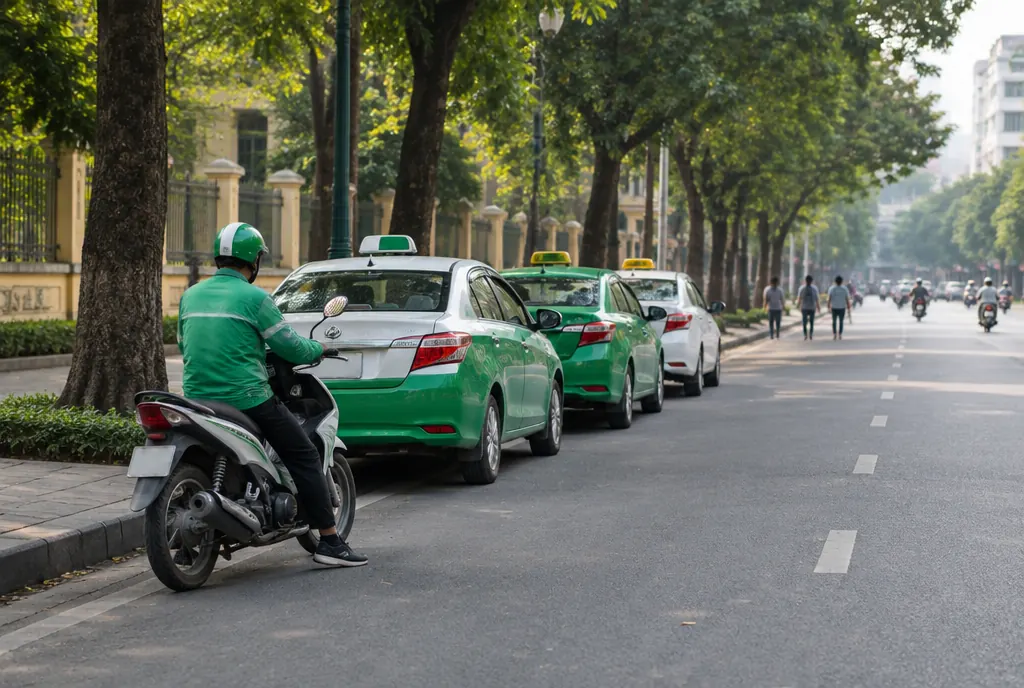 Getting around Vietnam between dental appointmentsTransport in Vietnam for a treatment trip, from using Grab and taxis in the cities to travelling between Hanoi, Da Nang and Ho Chi Minh City.
 Soft food after dental surgery, and what to eat in VietnamWhat to eat after a tooth extraction, implant surgery or new crowns, with soft Vietnamese dishes that need little or no chewing and what to avoid.
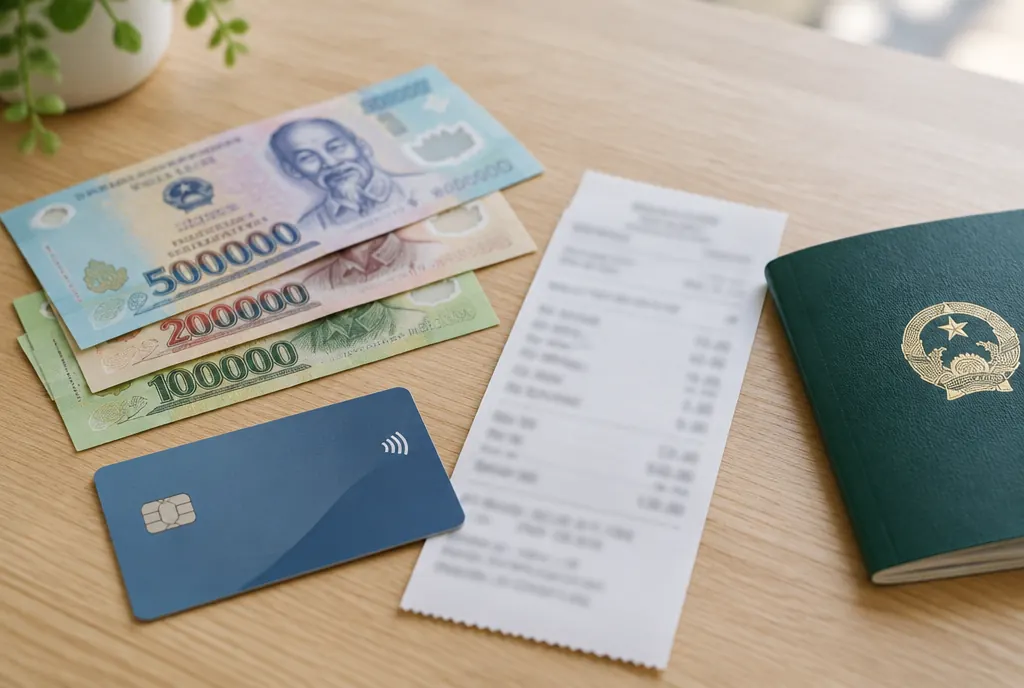 Money in Vietnam, and paying for dental treatmentVietnam's currency, cash and cards, exchanging money and tipping, and how to pay a dental clinic safely, from deposits to receipts and refunds.How to plan a dental trip to Vietnam with family or a groupPlanning a family trip to Vietnam that includes dental treatment, or a group dental trip, from scheduling appointments to flights, hotels and records.