Is Vietnam safe? Crime, traffic, weather and health for a dental trip
Vietnam is safe for most visitors who take normal care. Here are the real risks, from bag snatching and taxi scams to traffic and storms, and how to plan a dental trip around them.
Plan my tripKey points
- Most visits to Vietnam are trouble free. The common problems are petty theft, bag snatching from motorbikes and taxi scams.
- Use app-booked or metered taxis from larger firms, and be wary of free airport transfers you didn't arrange.
- Traffic is the biggest physical risk. Don't hire a motorbike unless you're an experienced rider, and always wear a helmet.
- Tropical cyclones usually come between May and November, and central Vietnam floods in October and November.
- For an ambulance, dial 115. Have travel insurance that covers medical bills and an air ambulance.
Vietnam is safe for most visitors who take normal care. The problems travellers most often meet are petty theft, bag snatching by thieves on motorbikes and taxi scams, according to the UK government's travel advice. The bigger physical risks are traffic and, in some months, storms and floods. On a dental trip you can reduce almost all of these with a few habits: book taxis through an app, keep your phone and bag away from the road, stay near your clinic, and keep an eye on the weather around your treatment dates.
This guide covers travel safety. Whether the dental treatment itself is safe depends on the clinic, and our guide to whether dental tourism is safe covers that side.
Vietnam safety at a glance
| Risk | How common | What to do |
|---|---|---|
| Bag snatching from motorbikes | Common, says UK advice | Carry bags on the side away from traffic, keep phones out of reach of the road |
| Theft and pickpocketing | Happens regularly, more at Christmas and Tết | Use a hotel safe, carry only what you need |
| Taxi and transfer scams | Fake firms and "free" transfers | Book in an app or use metered taxis from larger firms |
| Drink spiking and methanol | A known risk | Buy your own drinks, keep them in sight |
| Traffic | Road law compliance is poor | Cross with care, avoid hiring a motorbike |
| Tropical cyclones and floods | May to November, floods in central Vietnam in October and November | Follow local authorities, leave spare days |
| Unexploded weapons | Former battlefields, mostly central Vietnam and the Laos border | Stay on marked paths in rural areas |
Crime: theft and bag snatching
The UK government says petty crimes such as theft and pickpocketing occur regularly, and that bag snatching by thieves on motorbikes is common. Theft tends to rise over the Christmas and Tết holidays.
Simple habits help:
- Carry your bag on the side away from the traffic.
- Don't hold your phone out at the kerb while you wait for a car.
- Leave your passport, spare cards and most of your cash in the hotel safe.
- Keep a photo of your passport and your clinic's contact details on your phone.
On treatment days you may be tired or numb, so plan to go straight from the clinic to the hotel by car rather than walking with your bag and documents.
Scams to watch for
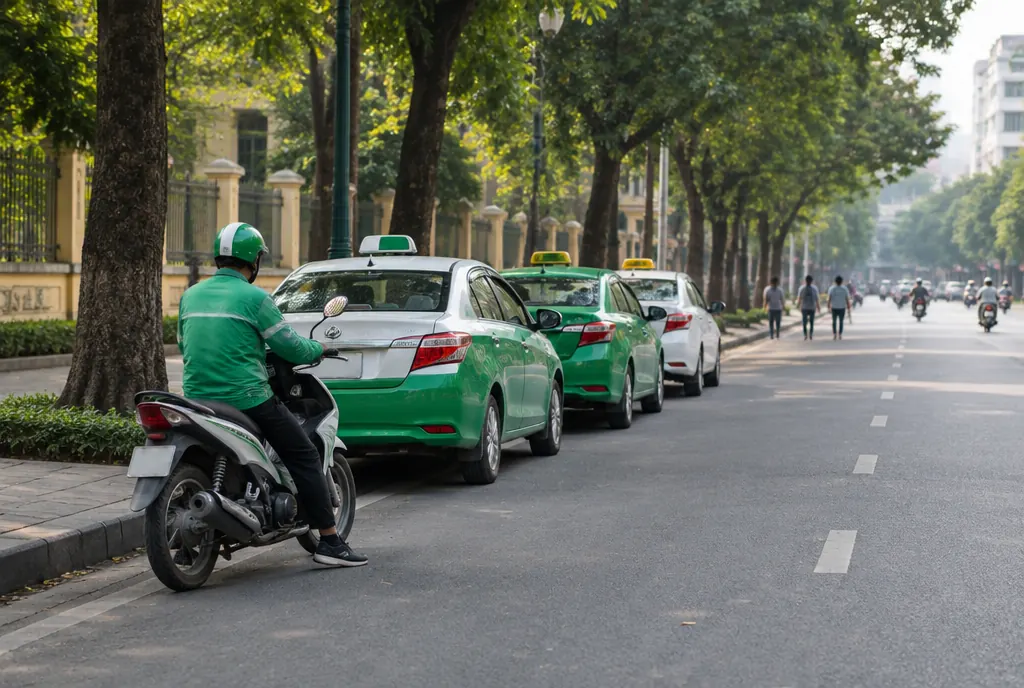
Taxis. Metered taxis from larger firms are generally reliable, and the UK advises using pre-arranged or app-booked taxis. Some scammers claim to work for the well-known firms, so check that the driver identifies themselves before you set off, and book the full journey in the app. Our guide to getting around Vietnam explains how ride-hailing works.
Airport transfers. Be cautious about offers of free bus transfers to hotels unless you organised them in advance. Many clinics will tell you how to reach them from the airport, so ask yours.
Money. Only change money at official exchange counters with a clear sign. Changing money anywhere else is illegal. Money in Vietnam covers cash, cards and paying your clinic.
Your passport. The UK advice warns never to hand your passport to an employer for safekeeping. For a dental trip, the same rule is sensible: a clinic may need to see it or copy it, but it shouldn't keep it.
Drinks and nightlife
Buy your own drinks and keep them in sight so they can't be spiked, and don't accept snacks or drinks from strangers. The UK government also warns about methanol in drinks: even small amounts can kill, and you can't detect it by taste or smell. After dental surgery you should avoid alcohol anyway, so this is an easy risk to skip until your treatment is done.
Traffic and road safety
Traffic is the risk most visitors underestimate. The UK government says compliance with road laws is poor and that travelling by motorbike is much riskier than in the UK. It advises against hiring a motorbike unless you're an experienced rider. It's illegal for drivers and passengers to ride without a helmet.
If you plan to drive, you need your national licence and a 1968 international driving permit, and it's illegal to drive without third-party insurance.
For a dental trip, the safest choice is to use cars booked through an app, especially on surgery days, when local anaesthetic or sedation can slow your reactions.
Weather: storms and floods
Vietnam's tropical cyclone season normally runs from May to November, though storms can happen at other times. The UK advice says the rainy season runs from June to September in the north and south, and from October to December in central Vietnam, where seasonal flooding happens in October and November. Floods can block roads with mudslides and landslides.
| Region | Wettest months (UK advice) | Planning tip |
|---|---|---|
| North (Hanoi) | June to September | Keep outings flexible |
| Central (Da Nang, Huế, Nha Trang) | October to December, floods in October and November | Leave spare days before your flight home |
| South (Ho Chi Minh City) | June to September | Plan outings for the mornings |
Treatment can go ahead in any season, but a storm can delay flights or cancel boat trips. If you travel in these months, follow local authorities, including any evacuation orders, and don't book your flight home for the day after your final appointment. Our guide to the best time to visit Vietnam goes month by month.
Boat trips and the countryside
If you join a boat, make sure you get a full safety briefing and a life jacket. The UK advice notes that some boats have sunk quickly and without warning, and suggests checking safety records before overnight trips on Ha Long Bay. Leave boat trips until after your final dental check in any case.
Landmines and other unexploded weapons remain a hazard on former battlefields, mostly in central Vietnam and along the border with Laos. Mined areas are often unmarked, so stay on marked paths when you're in rural areas.
Health risks
The UK government lists mosquito-borne diseases such as dengue, Zika and Japanese encephalitis as risks in Vietnam. The CDC says dengue can't be prevented with a vaccine and recommends insect repellent, treated clothing, and air-conditioned or screened rooms.
For food and water, the CDC's general advice is to choose drinks from unopened, factory-sealed bottles, to brush your teeth with bottled or disinfected water, and to eat food that is served hot. After dental surgery you'll also need soft food, and what to eat after dental surgery lists soft Vietnamese dishes.
Some medicines can be hard to find in Vietnam, and the UK advice says many are fake. Bring enough of your regular medicines for the whole trip, with your prescription.
If something goes wrong
- Ambulance: dial 115 and ask for an ambulance.
- Insurance: contact your insurer quickly if you're referred to a hospital. The UK government advises cover for medical bills and an air ambulance.
- Your clinic: save its number before your first appointment, and ask whether it has an out-of-hours contact.
- Lost passport: contact your embassy or consulate. The UK has an embassy in Hanoi and a consulate general in Ho Chi Minh City.
Safety checklist for a dental trip
- Travel insurance that covers medical bills and an air ambulance, and that knows about your planned treatment
- Taxi app installed and working before you land
- Hotel close to your clinic, so treatment days need only a short ride
- Copies of your passport, prescriptions and treatment plan on your phone
- Clinic phone number and out-of-hours contact saved
- Spare days around storm-season travel
- Insect repellent and enough of your regular medicines
If you're still choosing a city, the trip planner shows what a trip could look like day by day, and the city guides for Hanoi, Ho Chi Minh City, Da Nang and Nha Trang cover each place.
Frequently asked questions
Is Vietnam safe for tourists?
Yes, for most visitors who take normal care. The UK government says petty crime such as theft and pickpocketing happens regularly and that bag snatching by thieves on motorbikes is common, so keep valuables out of sight and carry bags on the side away from the road.
Is Vietnam safe for solo travellers?
Most solo travellers have no problems. Buy your own drinks and keep them in sight, don't accept food or drinks from strangers, and book taxis through an app. Tell your clinic and someone at home where you're staying.
Are taxis in Vietnam safe?
Metered taxis from larger firms are generally reliable, according to UK travel advice. Check the driver identifies themselves before you set off, or book the whole journey in an app.
Is it safe to ride a motorbike in Vietnam?
It's much riskier than in the UK, the UK government says. Don't hire one unless you're an experienced rider. It's illegal to ride without a helmet, and you need the right licence and insurance to drive.
When is typhoon season in Vietnam?
The tropical cyclone season normally runs from May to November, though storms can happen at other times. Central Vietnam often floods in October and November.
What number do I call for an ambulance in Vietnam?
Dial 115 and ask for an ambulance. Then call your travel insurer and your dental clinic.
Is Vietnam safe for dental treatment?
That depends on the clinic. Check its licence, the dentist's qualifications and how it sterilises instruments, and get the plan and warranty in writing. Our separate guide on whether dental tourism is safe covers the clinical side.
Is the food safe in Vietnam?
Choose food that is cooked fresh and served hot, drink sealed bottled water, and be careful with ice. After dental surgery, let hot food cool before you eat it.
Sources
- UK Foreign, Commonwealth & Development Office. Vietnam travel advice, safety and security.
- UK Foreign, Commonwealth & Development Office. Vietnam travel advice, health.
- US Centers for Disease Control and Prevention. Travelers' health, Vietnam.
- US Centers for Disease Control and Prevention. Food and water safety.
This article is general information, not medical advice. A dentist who has examined you is the right person to recommend treatment.
More in Travel in Vietnam: Health and safety
See all Vaccinations for Vietnam: what you need before a dental tripWhich vaccines health agencies recommend for Vietnam, how far ahead to book, and how to fit vaccinations around dental treatment.
 Vietnam travel insurance for a dental trip: what to checkWhat to check in your travel insurance when a trip to Vietnam includes planned dental treatment, from medical cover and air ambulance to complications and documents.
 Pharmacies in Vietnam: medicines, antibiotics and what to bringHow to handle medicines on a dental trip to Vietnam, from the prescriptions your clinic gives you to the rules on bringing your own, fake medicines and antibiotics.
 Can you drink tap water in Vietnam? Water, ice and brushing your teethWhether to drink tap water in Vietnam, what to do about ice and brushing your teeth, and how to keep a healing mouth clean after dental surgery.